
A Comprehensive Guide to Robotics Integration Services in Malaysia


Understanding Robotics Integration
Robotics integration services are crucial for businesses looking to enhance productivity and efficiency through automation. In Malaysia, the adoption of robotics is rapidly increasing across various industries, from manufacturing to healthcare. Understanding what robotics integration entails is the first step toward embracing this technological advancement.
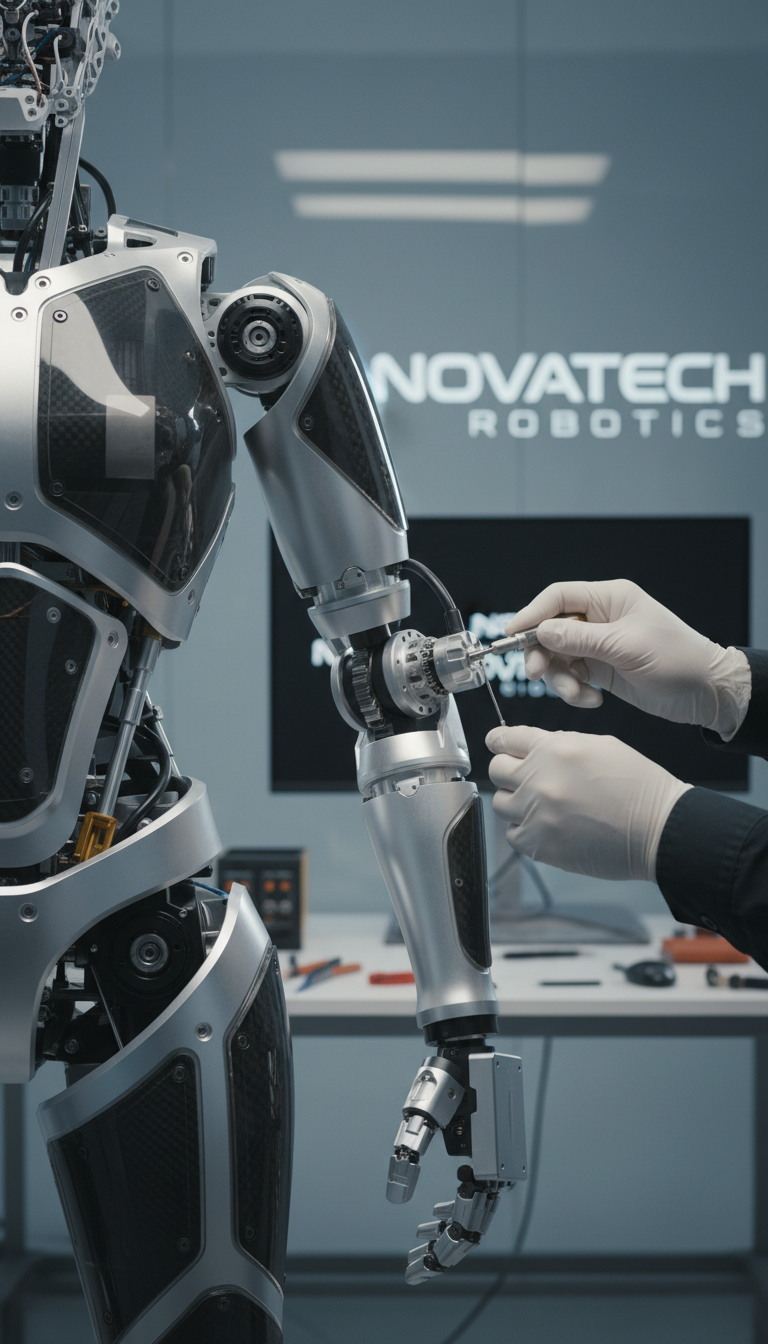
At its core, robotics integration involves the seamless incorporation of robotic systems into existing business operations. This process requires careful planning and execution to ensure that the new systems work harmoniously with current processes. Companies often turn to specialized service providers to achieve successful integration.
Key Benefits of Robotics Integration
The advantages of integrating robotics into business operations are manifold. Firstly, automation significantly reduces the margin of error, leading to enhanced accuracy and consistency in tasks. This is particularly beneficial in industries where precision is paramount, such as electronics and pharmaceuticals.
Additionally, robotics integration can lead to substantial cost savings. By automating repetitive tasks, businesses can reduce labor costs and redirect human resources to areas that require critical thinking and creativity. Moreover, robots can operate continuously without breaks, leading to increased productivity.
Choosing the Right Robotics Integration Partner
Selecting a suitable robotics integration service provider is crucial for the success of the project. Companies should consider factors such as the provider's experience, expertise in specific industries, and the ability to offer customized solutions. It's also essential to evaluate their post-integration support and maintenance services.
Another critical aspect is the provider's ability to innovate and keep up with the latest technological advancements. This ensures that the solutions they offer are not only current but also future-proof, providing long-term value to the business.
Steps in the Robotics Integration Process
The robotics integration process typically involves several key steps. Initially, a comprehensive assessment of the business's current operations and needs is conducted. This helps in identifying the areas where robotics can have the most significant impact.
- Needs Assessment: Determine specific areas for improvement.
- Design and Planning: Develop a tailored integration strategy.
- Implementation: Install and configure robotic systems.
- Testing and Optimization: Ensure systems operate efficiently and effectively.
- Training and Support: Provide necessary training and ongoing support to staff.
Challenges and Considerations
Despite the numerous benefits, integrating robotics into business operations can present challenges. One major hurdle is the initial investment cost, which can be significant. However, the long-term savings and productivity gains often justify this expense.
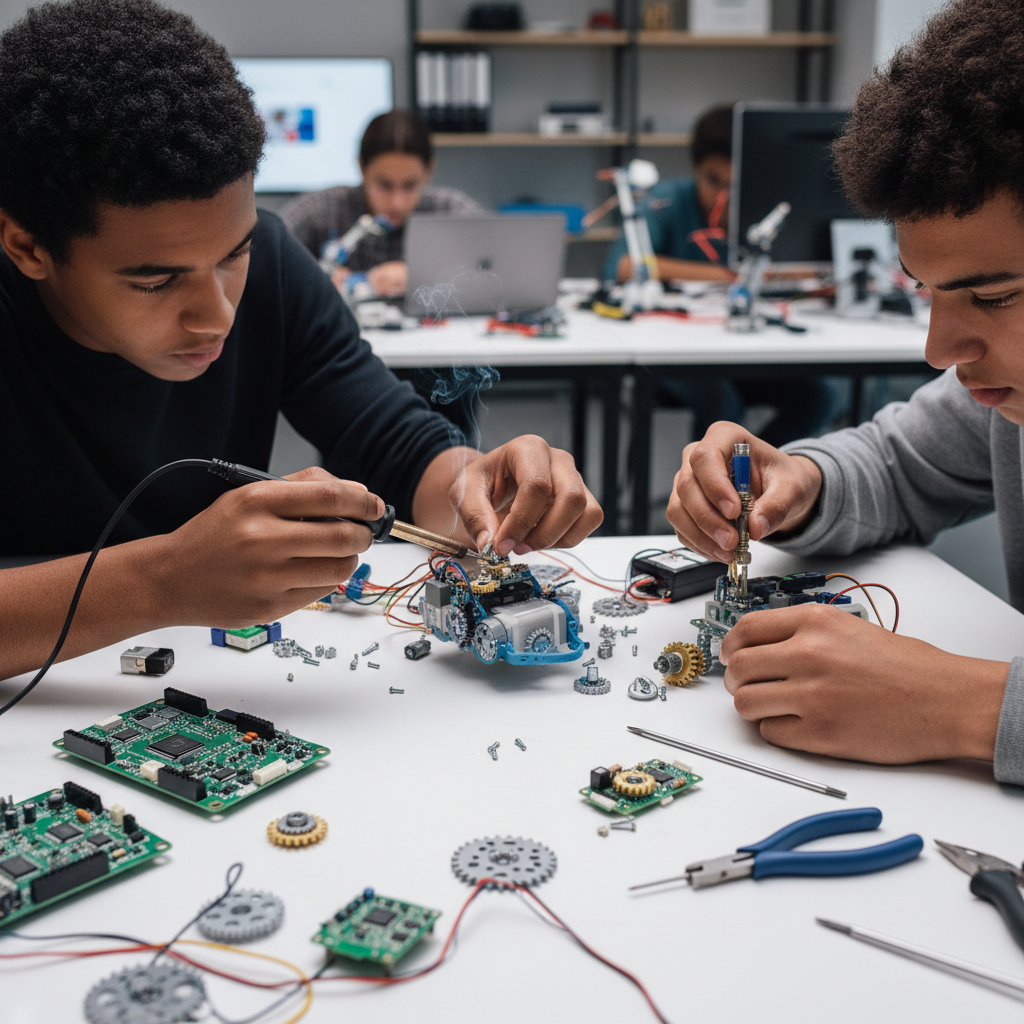
Additionally, there may be resistance to change from employees who fear job displacement. It's vital for companies to manage this aspect by offering training and emphasizing the role of robotics as a tool to assist rather than replace human labor.
The Future of Robotics in Malaysia
As Malaysia continues to advance technologically, the role of robotics in various sectors is expected to expand. The government and private sector are increasingly investing in research and development to position the country as a leader in robotics and automation.
With the continued growth of robotics integration services, Malaysian businesses are well-positioned to boost their global competitiveness. Embracing this trend can lead to enhanced operational efficiency, reduced costs, and a stronger presence in the international market.