Exploring the Future of Robotics Technology in Southeast Asia


The Rise of Robotics in Southeast Asia
Southeast Asia is poised to become a hub for robotics technology, driven by rapid economic growth and a keen interest in technological innovation. As industries across the region embrace automation, the potential for robotics to transform sectors such as manufacturing, healthcare, and logistics is immense. The increasing investment in robotics R&D is paving the way for significant advancements.

Key Drivers of Robotics Adoption
Several factors are fueling the adoption of robotics in Southeast Asia. Firstly, the need to improve productivity and efficiency in manufacturing is critical. Countries like Singapore, Thailand, and Malaysia are investing heavily in automation to stay competitive on the global stage. Secondly, the region's young and tech-savvy population is driving demand for sophisticated technologies.
Additionally, government policies and initiatives are encouraging the integration of robotics. For instance, Singapore's Smart Nation initiative aims to harness technology to enhance living standards and create economic opportunities. Such governmental support is crucial in fostering an ecosystem conducive to innovation.

Innovative Applications Across Industries
The applications of robotics in Southeast Asia are diverse and expanding. In the healthcare sector, robots are being used for surgery, rehabilitation, and elderly care, addressing the challenges of an aging population. Meanwhile, in agriculture, drones and automated machinery are revolutionizing farming practices, improving yield and efficiency.
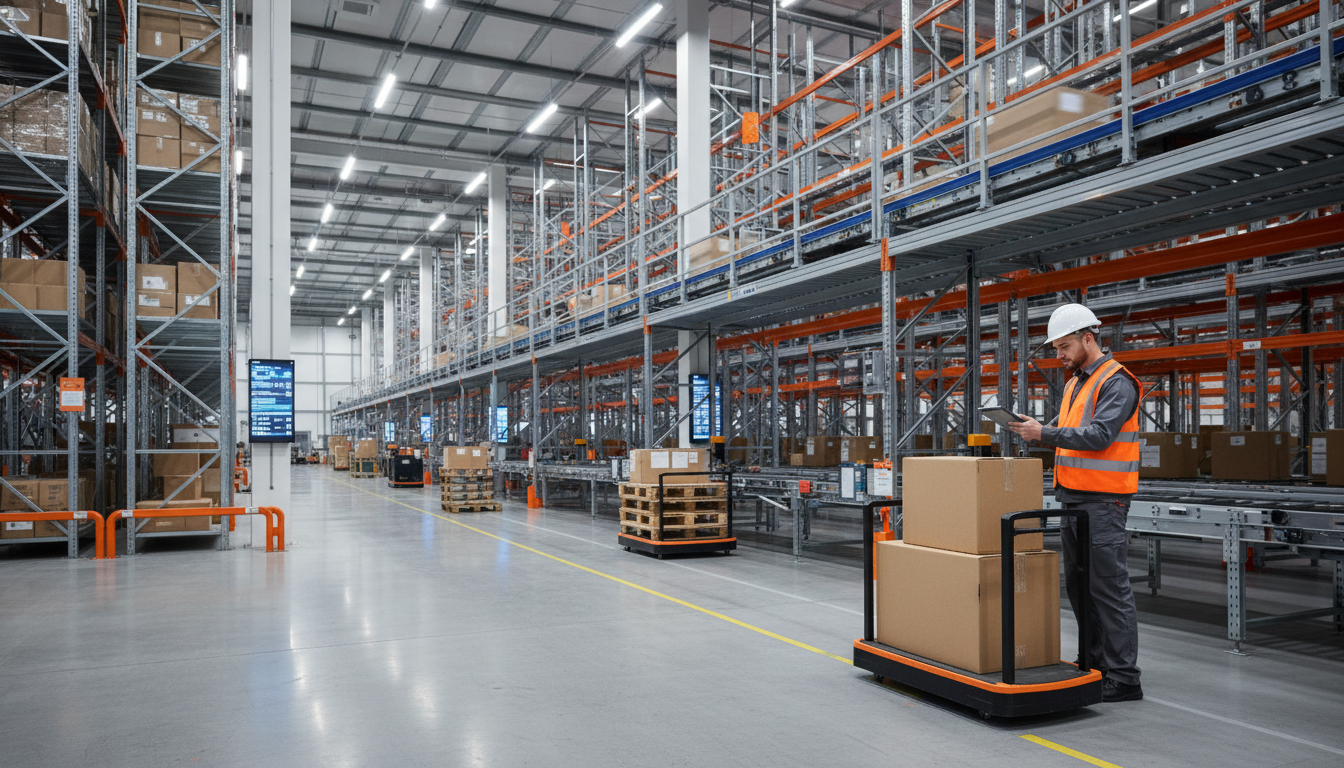
The logistics industry is also experiencing a transformation with automated warehouses and delivery robots. These technologies are streamlining supply chains and reducing costs, which is essential in a region known for its bustling trade activity.
Challenges and Opportunities
While the potential for robotics in Southeast Asia is vast, there are challenges to address. The high cost of technology and the need for skilled labor are significant barriers. Additionally, there are concerns about job displacement as automation becomes more prevalent. However, these challenges also present opportunities for growth and innovation.
By investing in education and training, Southeast Asia can build a workforce equipped to thrive in a tech-driven economy. Moreover, collaborations between governments, academia, and private companies can foster an environment of continuous learning and development.
The Future Outlook
The future of robotics technology in Southeast Asia is promising. As the region continues to embrace digital transformation, robotics will play a pivotal role in shaping industries and improving quality of life. The potential for cross-border collaboration within ASEAN countries can further accelerate growth and innovation.
With the right strategies and investments, Southeast Asia can emerge as a leader in robotics technology, setting benchmarks for innovation and efficiency globally. The journey ahead is exciting, with endless possibilities for technological advancement and economic prosperity.