
How AI-Powered Robotic Systems Are Transforming Manufacturing


The Rise of AI-Powered Robotic Systems
In recent years, AI-powered robotic systems have emerged as a transformative force in the manufacturing industry. These advanced technologies are revolutionizing the way factories operate, offering unprecedented levels of efficiency, precision, and adaptability. As manufacturing processes become more complex, the integration of artificial intelligence with robotics is enabling companies to stay competitive in a rapidly evolving market.
Enhancing Efficiency and Productivity
One of the most significant benefits of AI-powered robotics is the enhancement of efficiency and productivity. By automating repetitive and time-consuming tasks, these systems allow human workers to focus on more strategic activities. This shift not only increases output but also improves overall job satisfaction.
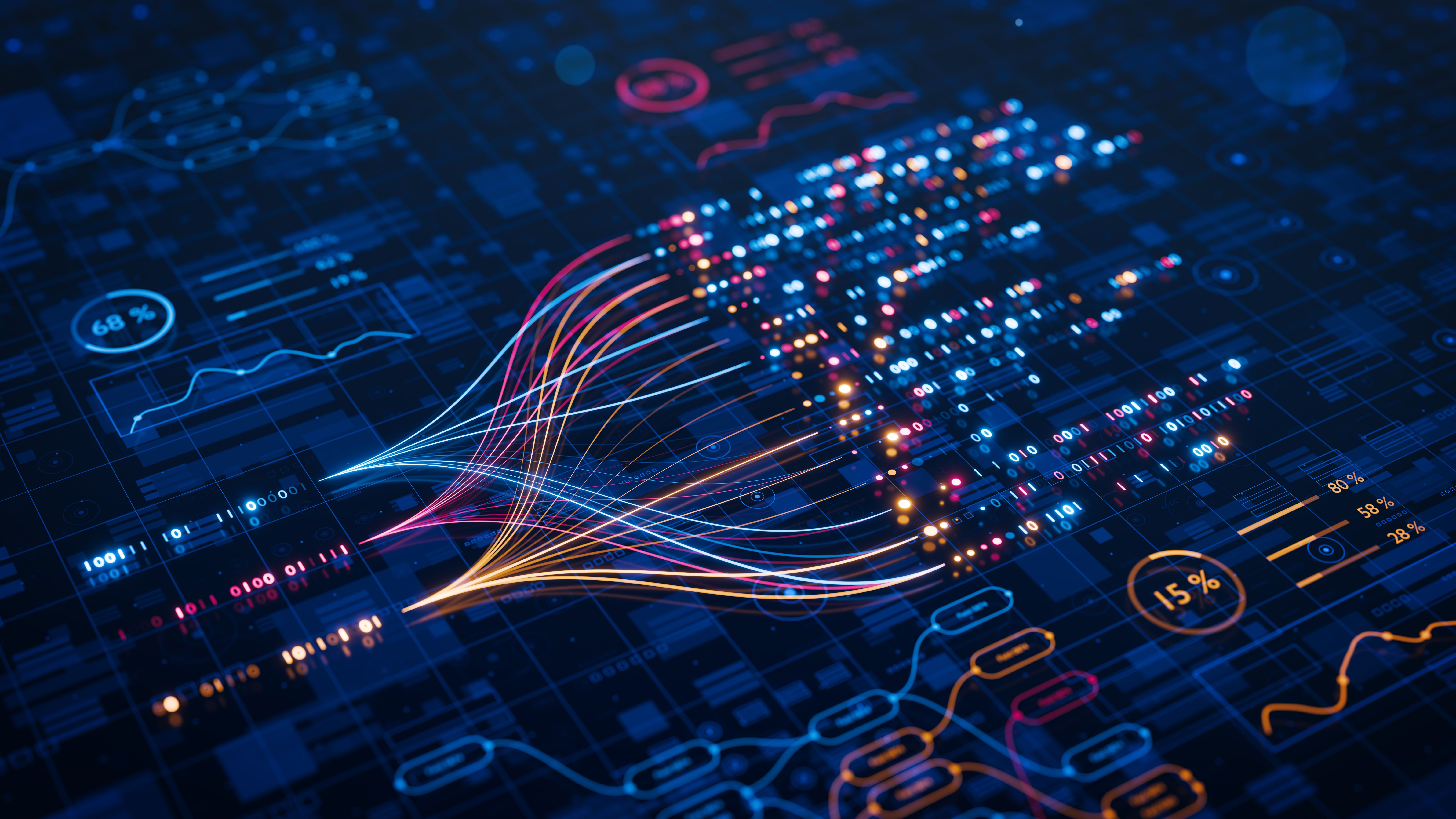
Furthermore, AI algorithms can analyze vast amounts of data to optimize production schedules and maintenance activities. This predictive capability reduces downtime and ensures that machinery operates at peak performance, ultimately leading to cost savings and increased profitability.
Improving Precision and Quality
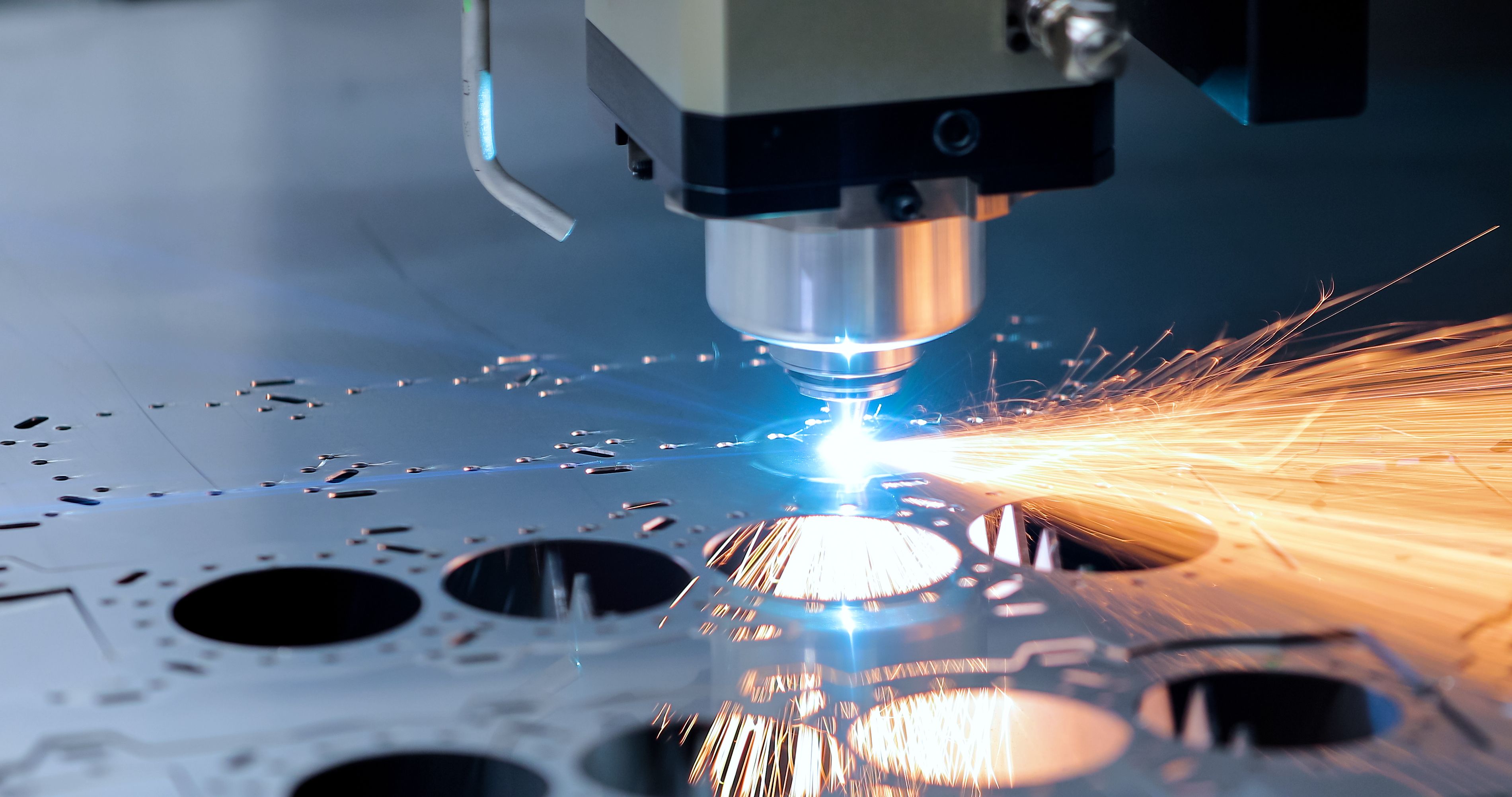
Precision is crucial in manufacturing, and AI-powered robots excel in this area. These systems are equipped with advanced sensors and machine learning algorithms that enable them to perform tasks with exceptional accuracy. Whether it's assembling intricate components or conducting quality inspections, AI-driven robots consistently deliver high-quality results.
Additionally, the ability of AI systems to learn and adapt over time means that they can continuously improve their performance. This adaptability is vital in industries where product specifications frequently change, as it ensures that robots can handle new challenges without extensive reprogramming.
Enhancing Safety in the Workplace
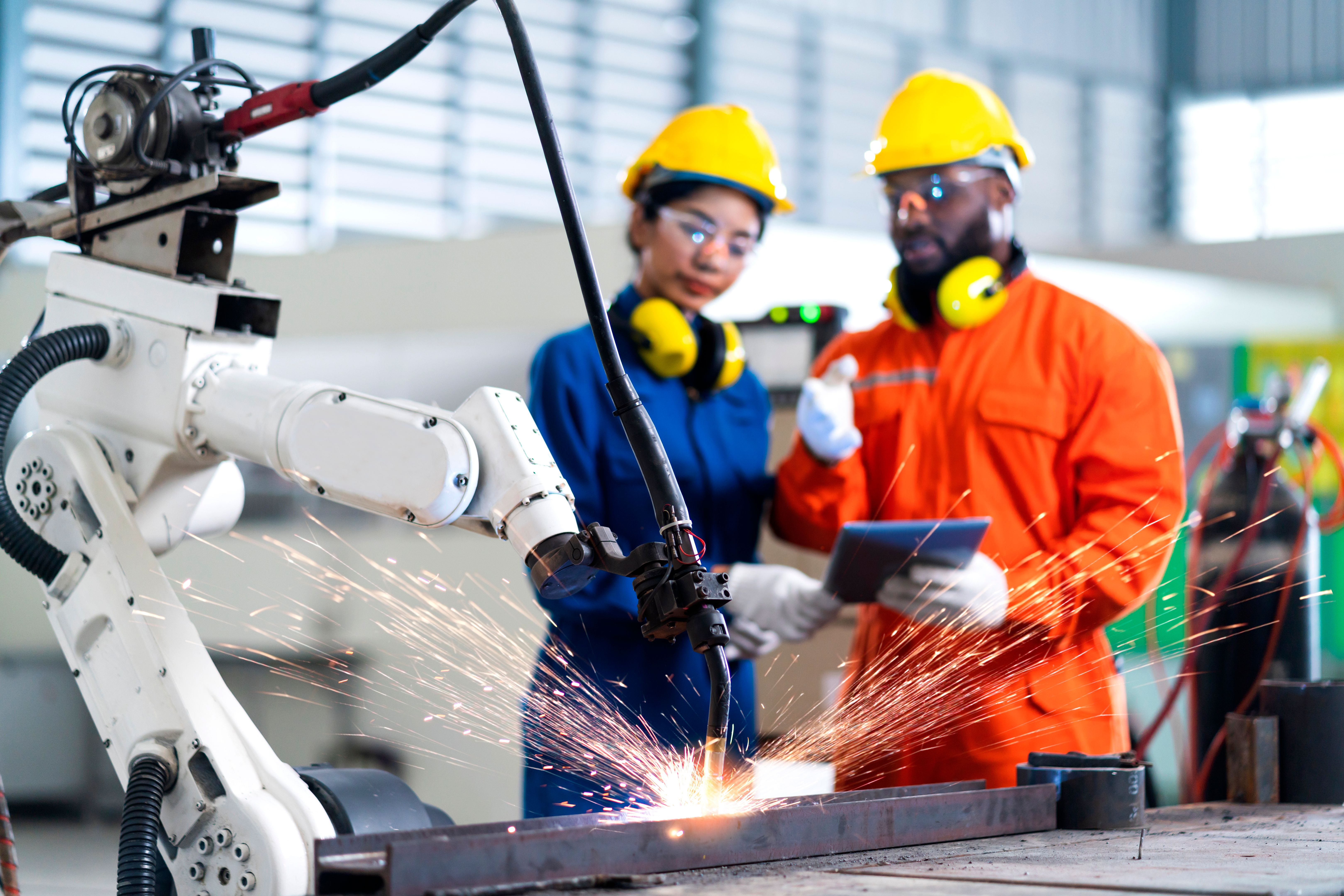
Safety is a top priority in manufacturing, and AI-powered robotic systems contribute significantly to creating safer working environments. By taking over hazardous tasks, such as handling toxic materials or operating heavy machinery, these robots reduce the risk of workplace injuries.
Moreover, AI systems can monitor environmental conditions and detect potential safety hazards in real time. This proactive approach allows companies to address issues before they escalate, safeguarding both employees and equipment.
Facilitating Customization and Flexibility
In today's market, consumer demand for customized products is increasing. AI-powered robotics enable manufacturers to meet this demand by facilitating greater customization and flexibility in production lines. These systems can quickly adapt to different product specifications, making it easier to produce small batches of personalized items.
This flexibility not only attracts new customers but also allows companies to respond swiftly to market trends. By offering tailored solutions, manufacturers can differentiate themselves from competitors and build stronger customer relationships.
The Future of Manufacturing
As AI-powered robotic systems continue to evolve, their impact on the manufacturing industry will only grow. Companies that embrace these technologies will be better positioned to thrive in an increasingly competitive landscape. By investing in AI-driven solutions, manufacturers can unlock new levels of efficiency, quality, and innovation.
The integration of AI and robotics is not just a trend; it represents a fundamental shift in how manufacturing is conducted. As these technologies become more accessible and affordable, they will undoubtedly reshape the future of production, creating exciting opportunities for businesses and workers alike.