
How Machine Learning is Transforming Robotics: Insights and Innovations


Introduction to Machine Learning in Robotics
Machine learning is revolutionizing the robotics industry, bringing forth innovations that were once only seen in science fiction. By enabling robots to learn from data, these intelligent systems are now capable of performing complex tasks with remarkable precision. This synergy between machine learning and robotics is paving the way for advancements across several sectors, from manufacturing to healthcare.
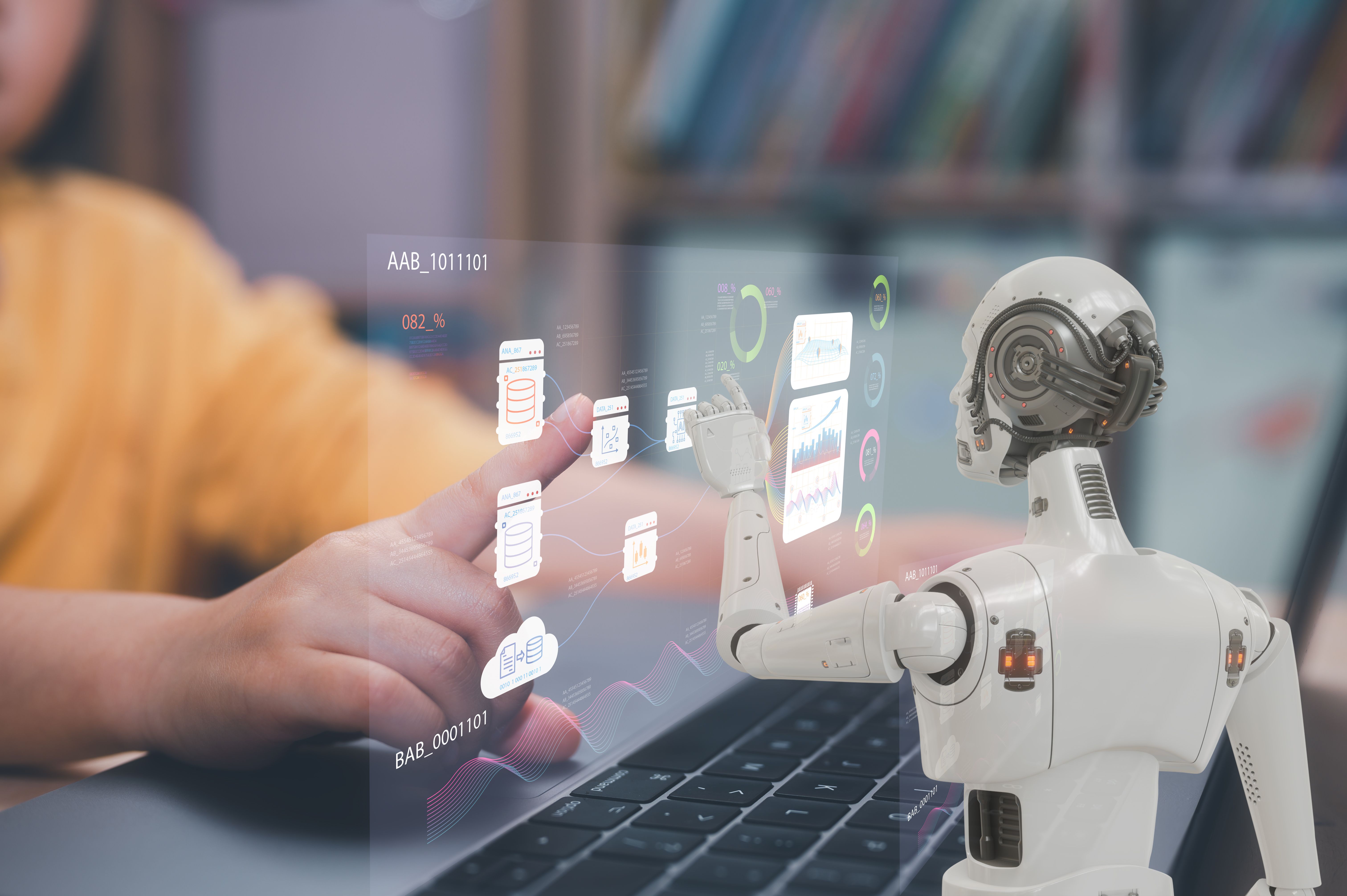
The Role of Machine Learning in Enhancing Robotic Functions
Machine learning algorithms allow robots to process vast amounts of data and make decisions based on that information. One of the key applications is in *autonomous navigation*, where robots learn to move through environments without human intervention. This capability is essential for drones, self-driving cars, and delivery robots.
Another significant area is *computer vision*. Machine learning models help robots interpret visual data, allowing them to recognize objects, understand scenes, and even detect emotions in humans. This enhances the robot's ability to interact with its environment in a meaningful way.
Innovations in Robotic Learning
The use of reinforcement learning is a groundbreaking innovation in robotics. This type of machine learning mimics the human way of learning through trial and error, allowing robots to improve their performance over time. For instance, in manufacturing, robots can learn optimal ways to assemble products by constantly adjusting their actions to increase efficiency.

Natural Language Processing in Robotics
Natural language processing (NLP) is another area where machine learning is transforming robotics. By enabling robots to understand and respond to human language, NLP facilitates smoother human-robot interactions. This is particularly useful in customer service robots and personal assistants, making them more intuitive and user-friendly.
Challenges and Considerations
Despite the exciting advancements, integrating machine learning with robotics presents challenges. Ensuring data quality, managing computational resources, and addressing ethical concerns are critical. Additionally, the complexity of machine learning models requires robust validation to prevent errors in robotic decision-making.
Future Prospects
The future of robotics with machine learning is promising. As algorithms become more sophisticated, we can expect robots to tackle even more complex tasks. Industries such as agriculture, logistics, and healthcare are likely to see significant benefits, with robots assisting in harvesting crops, managing supply chains, and performing surgeries.
Moreover, the development of more advanced *human-robot collaboration* frameworks will enable safer and more efficient workflows. This is especially important in environments where humans and robots work side by side, such as factories and hospitals.
Conclusion
Machine learning is undeniably transforming the field of robotics, driving innovations that enhance robotic capabilities and expand their applications. As technology continues to evolve, the collaboration between machine learning and robotics will undoubtedly unlock new possibilities, fundamentally changing how we interact with machines in our daily lives.