
How Robotics Integration Services Transform Manufacturing in Malaysia


In recent years, the manufacturing landscape in Malaysia has been undergoing a significant transformation, driven by the integration of robotics into production processes. As the country continues to position itself as a hub for technological advancement in Southeast Asia, robotics integration services are playing a crucial role in this evolution.
Enhanced Efficiency and Productivity
One of the most significant impacts of robotics in manufacturing is the increase in efficiency and productivity. Robots can work tirelessly around the clock, performing repetitive tasks with precision and speed that far surpass human capabilities. This allows manufacturers to meet growing demands without compromising on quality.
Moreover, the use of robotics reduces the margin for error, leading to consistent and high-quality outputs. This consistency is essential for maintaining a competitive edge in the global market, where precision is often a determining factor for success.
Cost Reduction and Resource Optimization
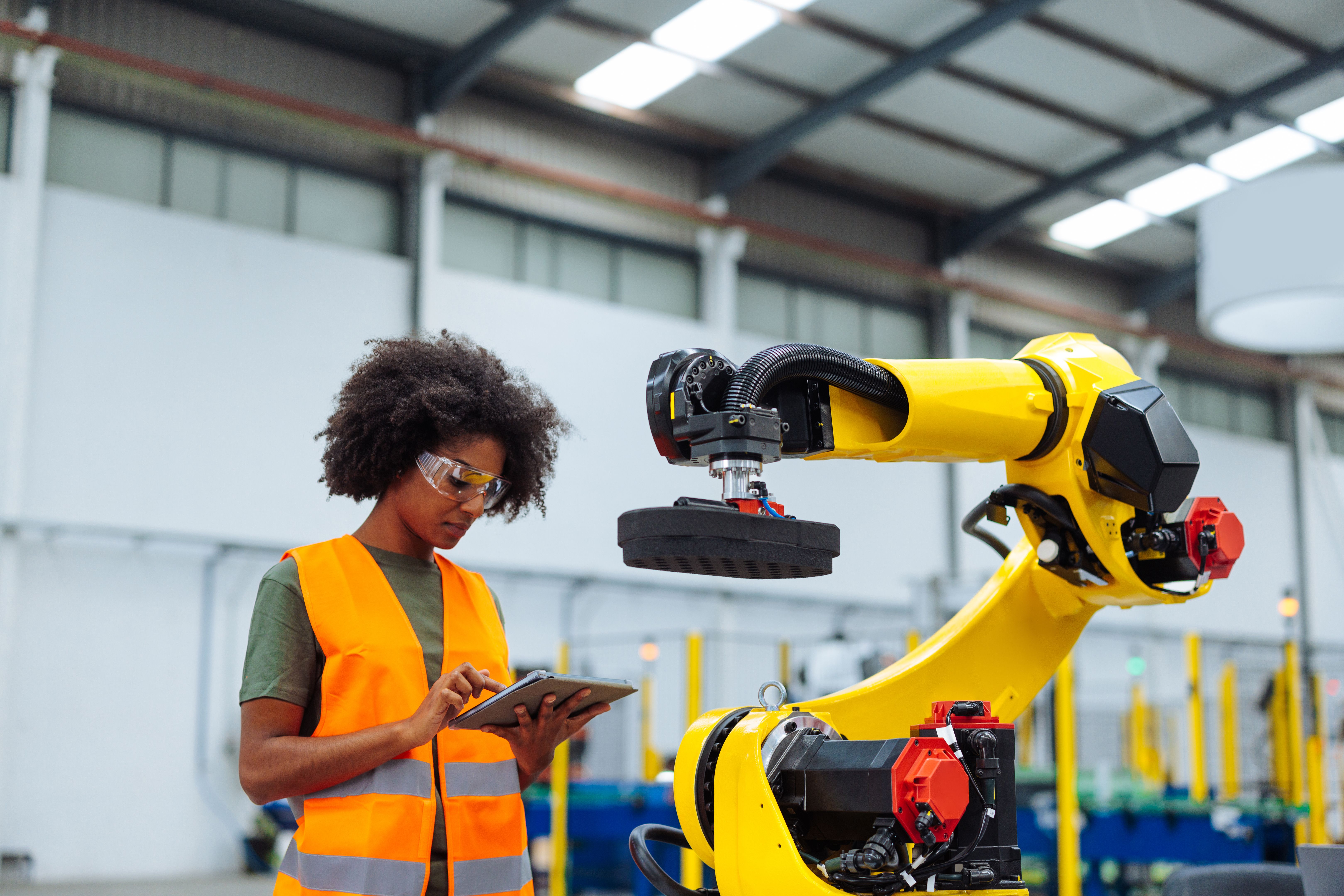
Robotics integration also leads to substantial cost savings for manufacturers. By automating labor-intensive tasks, businesses can reduce their reliance on manual labor, resulting in lower operational costs. Additionally, robots can work in hazardous environments, minimizing the risk of workplace injuries and associated costs.
Resource optimization is another benefit, as robots can be programmed to use materials more efficiently, reducing waste and contributing to more sustainable manufacturing practices. This not only benefits the environment but also enhances the company’s bottom line.
Flexibility and Scalability
Robotics provide manufacturers with the flexibility to adapt to changing market demands. With programmable systems, production lines can be reconfigured for new products without extensive downtime. This adaptability is crucial in a market where consumer preferences and technologies are constantly evolving.
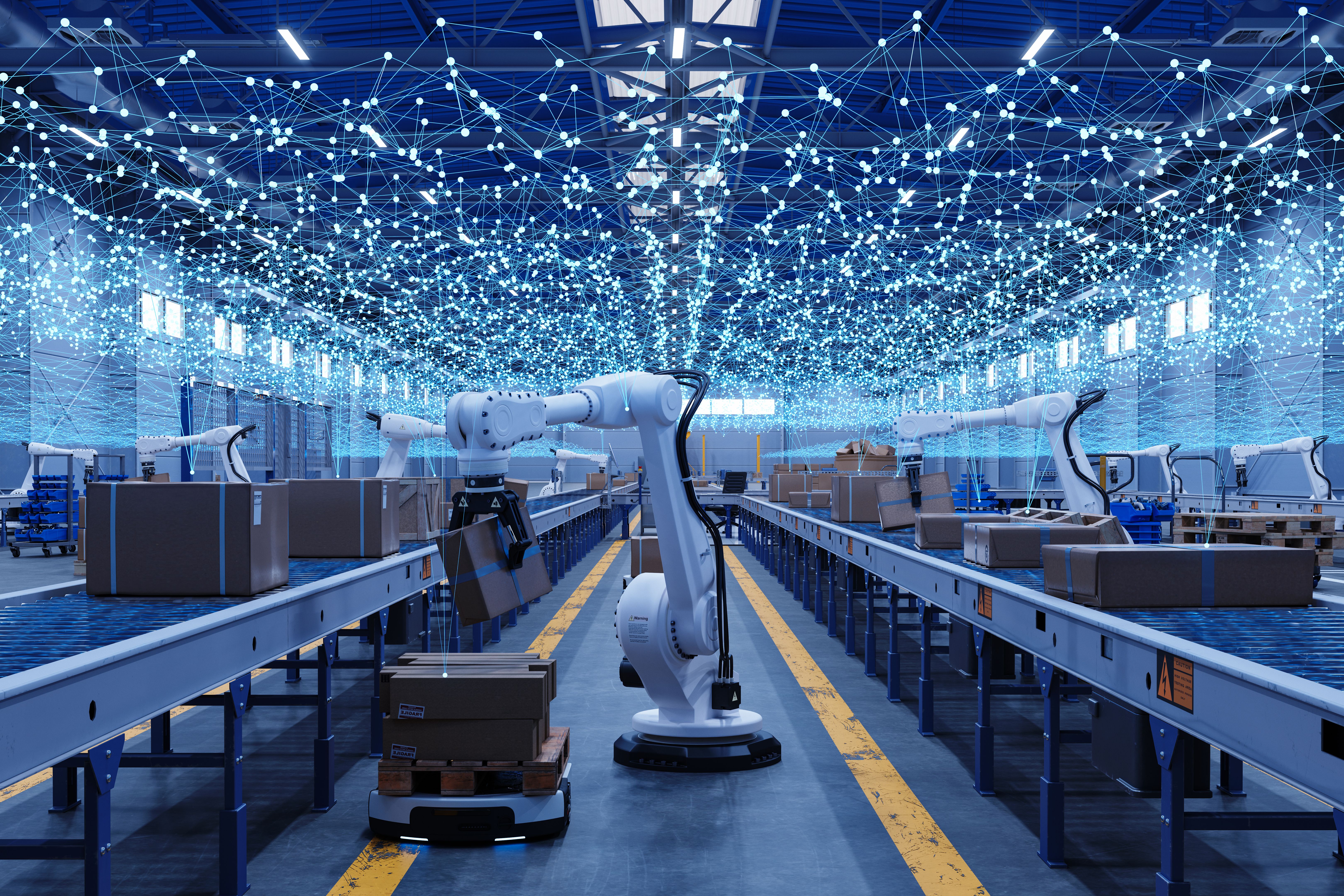
Scalability is another advantage, as manufacturers can easily scale operations up or down based on demand forecasts. This flexibility ensures that manufacturers can respond swiftly to market changes, maintaining a competitive advantage.
Workforce Transformation and Upskilling
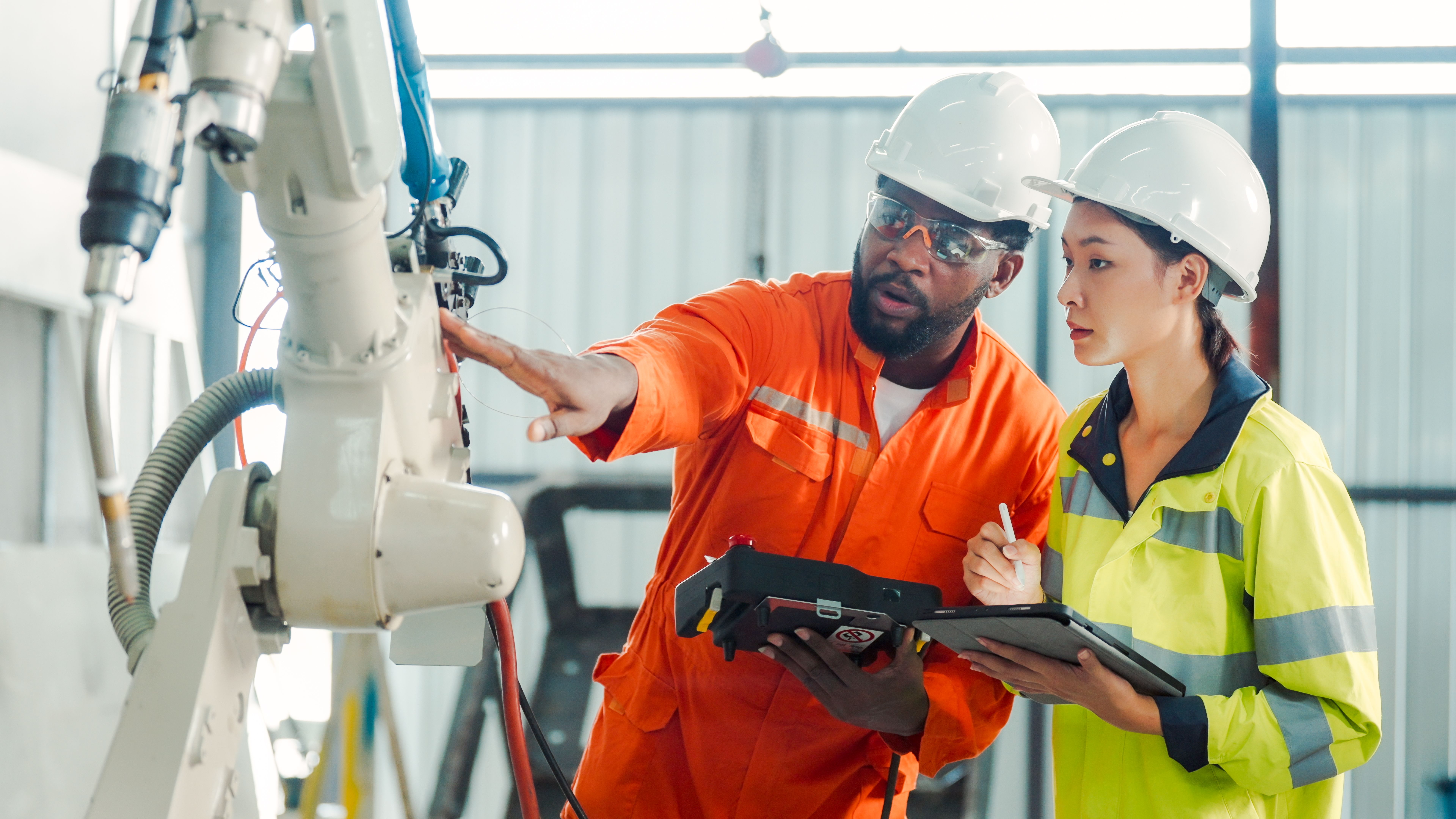
While robotics take over repetitive tasks, there is a growing need for skilled workers to manage and maintain these advanced systems. This shift is transforming the workforce, with a focus on upskilling employees to work alongside robotic systems.
Training programs and educational initiatives are being developed to equip workers with the necessary skills, fostering a more knowledgeable and adaptable workforce. This transformation not only enhances job satisfaction but also contributes to the overall growth of the manufacturing sector.
Future Prospects and Innovations
Looking ahead, the integration of robotics in Malaysian manufacturing is set to drive further innovations. With advancements in artificial intelligence and machine learning, robots are becoming smarter and more autonomous, opening up new possibilities for complex manufacturing processes.
Collaborative robots, or cobots, are also gaining popularity, working alongside humans to enhance productivity and safety. These innovations promise to further revolutionize the manufacturing landscape, ensuring Malaysia remains at the forefront of industrial advancements.
In conclusion, the integration of robotics in manufacturing is transforming the industry in Malaysia, bringing numerous benefits such as enhanced efficiency, cost savings, and workforce transformation. As technology continues to evolve, the future looks promising for Malaysian manufacturers, poised to capitalize on these advancements to achieve greater success.